Start with the old centre
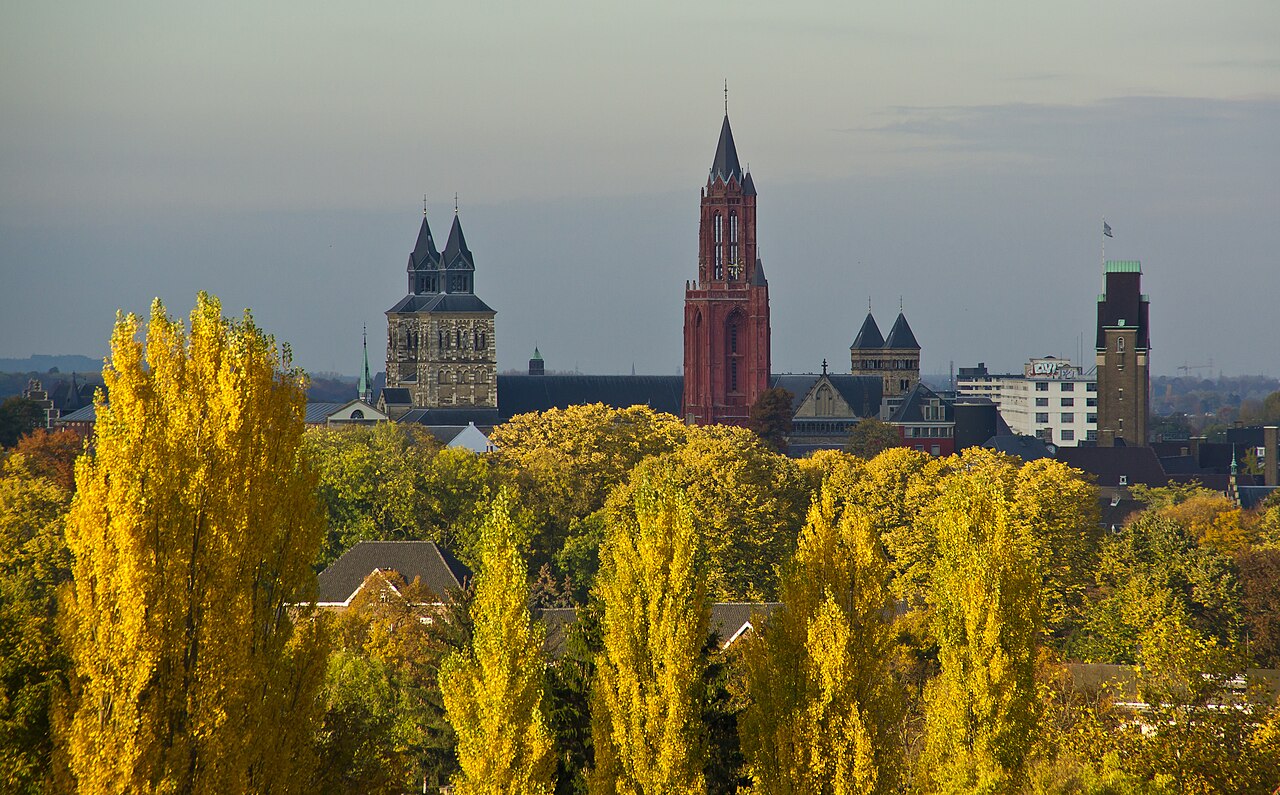
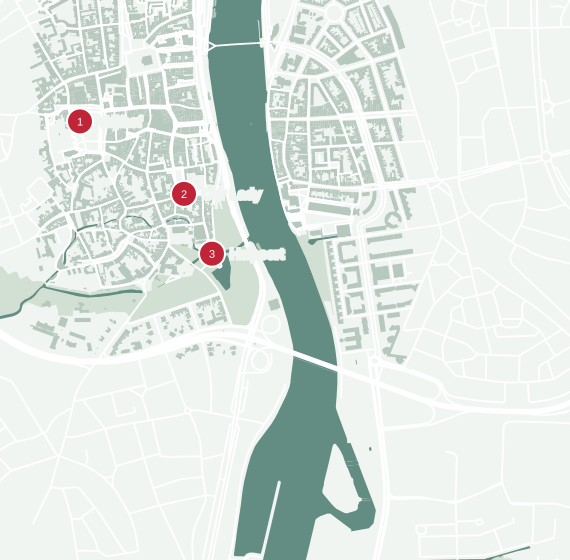
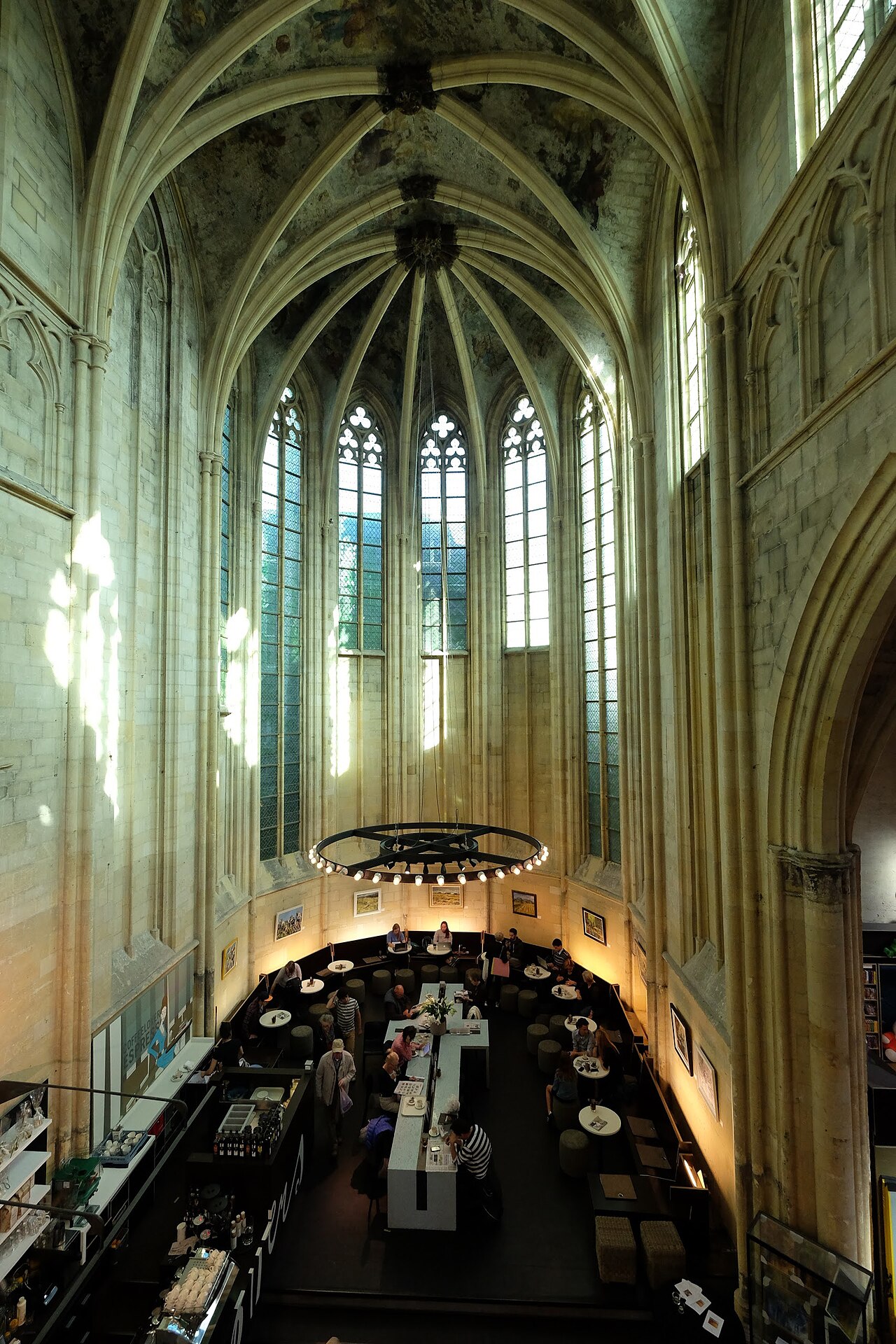
Look at the weight of the Romanesque basilicas, then compare them with the vaults of Dominicanen. Around Helpoort, the surviving fortifications give masonry a defensive purpose. You do not need to enter every building to notice how the forms and proportions change between church, gate and street.
Cross the two bridges
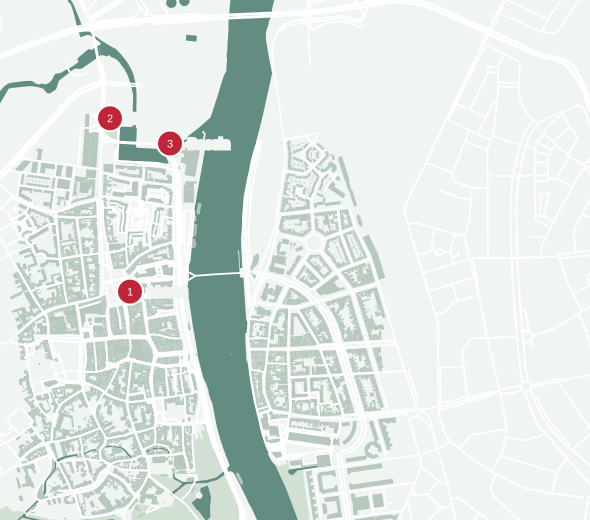
Sint Servaasbrug and Hoge Brug make a useful contrast in a single walk. The modern bridge uses a suspended deck and a large arch with no piers in the river. Cross one way by the old bridge and return by the newer one to see both banks without repeating the same route.
Céramique and Bonnefanten
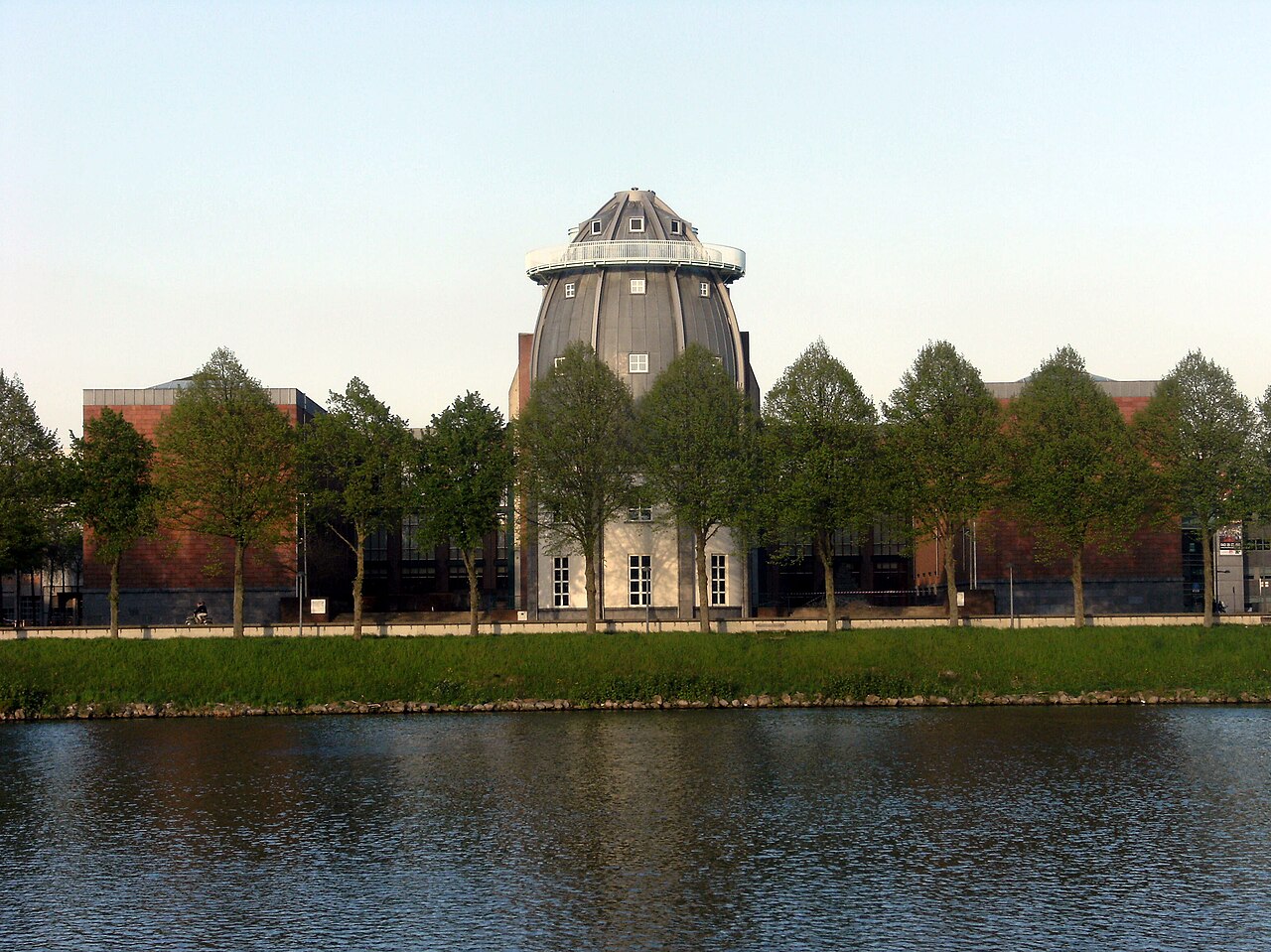
The east bank south of Wyck has a different scale from the old centre. Use the riverside walk to look at the buildings as a group before choosing an interior. Bonnefanten can become the main visit, but the district also works as part of an outdoor architecture route.
Finish in Sphinx
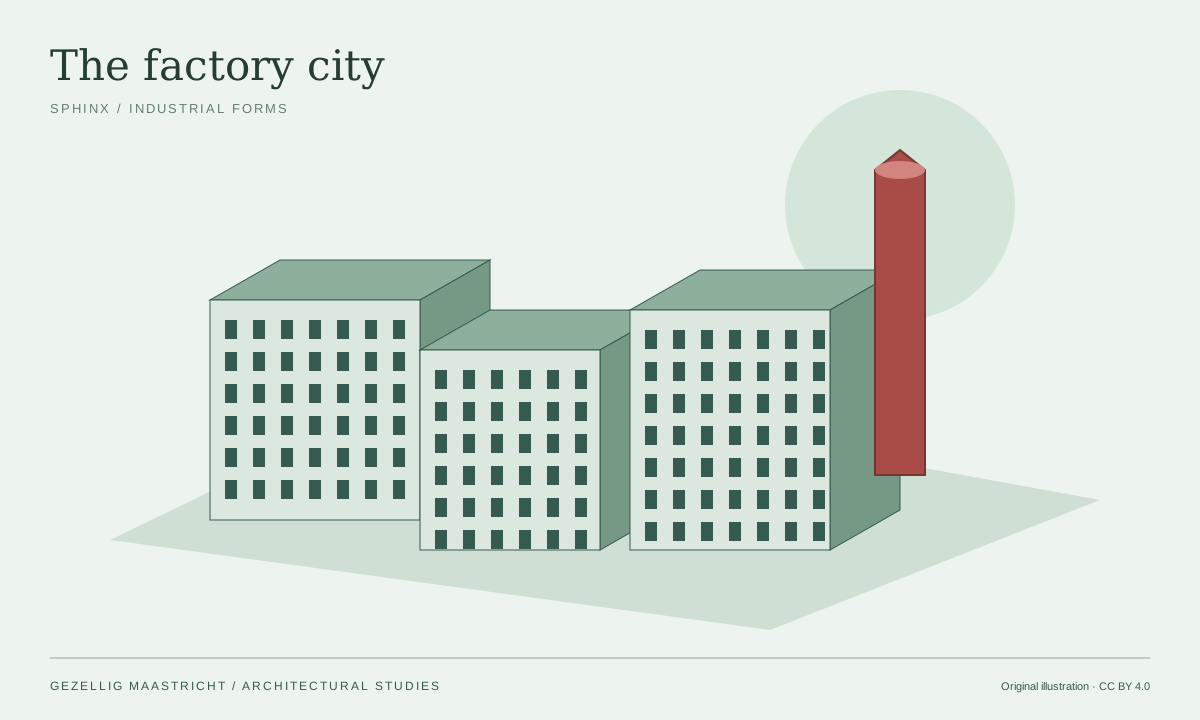
The former factory district adds another kind of building: larger industrial structures now used for culture, hospitality and daily life. Read Sphinxpassage before heading to Lumière. The change of use is visible in the relationship between the old structures and the activity around them.